Structural engineer in Dallas, TX

Dallas sits on the Blackland Prairie, where expansive clay soil with a plasticity index of 40 to 60 swells during spring rains and shrinks sharply through the long, dry Texas summers. That constant shrink-swell cycle puts continuous stress on concrete slabs and pier-and-beam systems alike, making foundation inspections a routine need across neighborhoods like East Dallas, Oak Lawn, Preston Hollow, and Lake Highlands. Older homes built before the 1990s in areas like Turtle Creek and Lakewood have typically shifted multiple times over their lifetimes. Post-tension slabs common in newer Far North Dallas construction resist soil movement better, but still require a signed, sealed engineer report when cracks or floor changes appear.

Call (601) 540-5109
Service Location

Dallas, TX

TX Service Area

No extra travel fees for this area

Communities we serve

Dallas Plano Richardson Garland Mesquite Irving Grand Prairie Carrollton
  • Serving Dallas, TX since 2015
  • Signed and Sealed Reports
  • Texas to Georgia Coverage
  • Lender-Ready Documentation
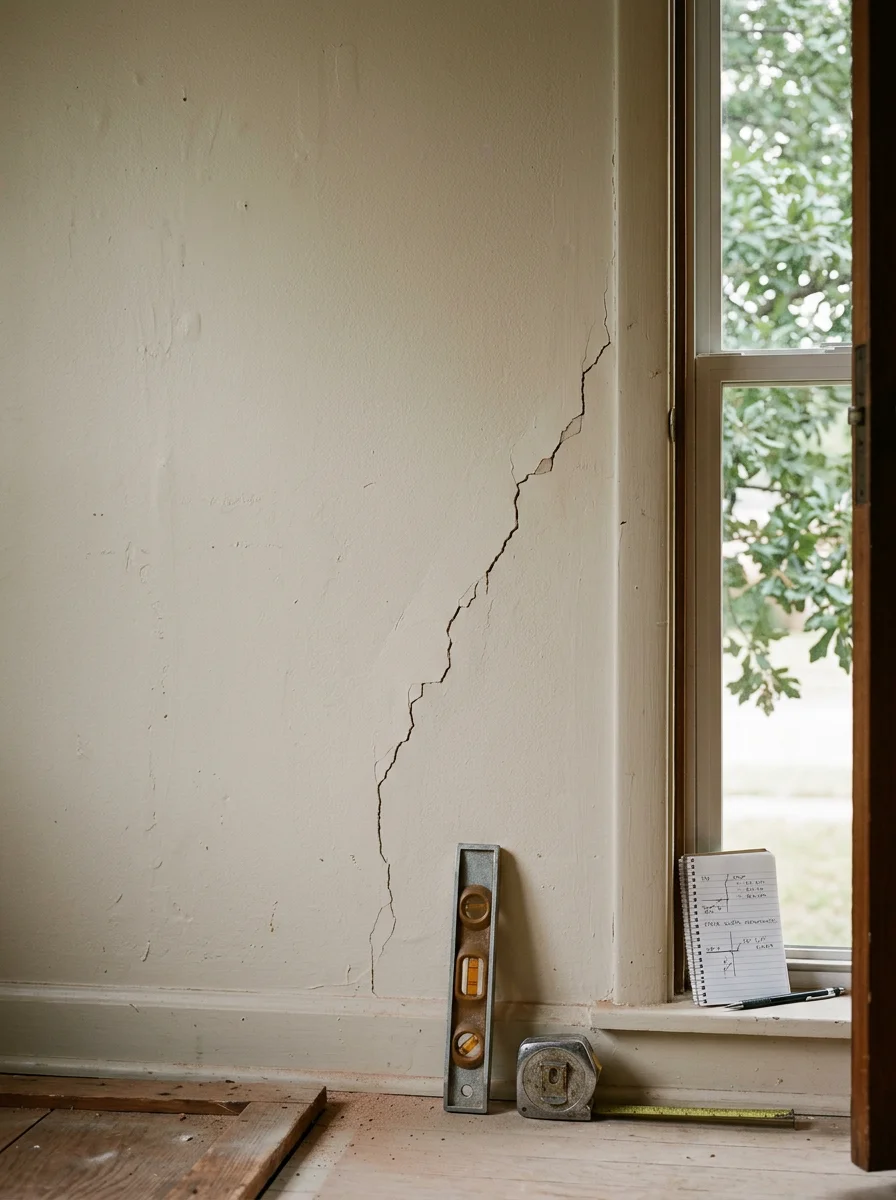
Close-up of diagonal wall cracks near a door frame in a Dallas mid-century home, a common sign of clay soil foundation movement requiring an engineer's evaluation.

Dallas, TX

Structural Engineer

Signed Engineering Reports Dallas Lenders and Buyers Rely On

Dallas clay is classified among the most active expansive soils in the country. The Blackland Prairie formation running through the heart of the metro carries a plasticity index that drives mandatory geotechnical review for new construction and triggers engineer evaluations on resale transactions. A foundation inspection report from a licensed professional engineer documents actual elevation measurements, identifies the cause of movement, and gives lenders and title companies the signed documentation they require.

Marques Hall holds a professional engineer license covering Texas and brings direct experience with the soil and structural conditions found across the Dallas metro. Reports cover both slab-on-grade and pier-and-beam systems, which behave differently under Dallas clay. Pier-and-beam homes in older East Dallas and Oak Cliff neighborhoods present crawlspace moisture and framing questions that a slab evaluation does not. Each report is specific to the property inspected, not a template.

Dallas also has a growing need for structural framing design as homeowners in established neighborhoods add square footage to mid-century homes. Adding a second story to a pier-and-beam house requires an engineer to confirm the existing foundation and framing can carry the new load. Grading and drainage design is equally relevant: flat lots in areas like Garland and Mesquite hold water close to the foundation, accelerating the shrink-swell cycle that causes the cracking in the first place.

At a glance

  • Serving Dallas, TX since 2015
  • Free written estimates with no obligation
  • Premium options most contractors don't carry — we explain the differences honestly
  • Responsive scheduling and clear communication from estimate to completion
Call (601) 540-5109

Every service, available in Dallas, TX

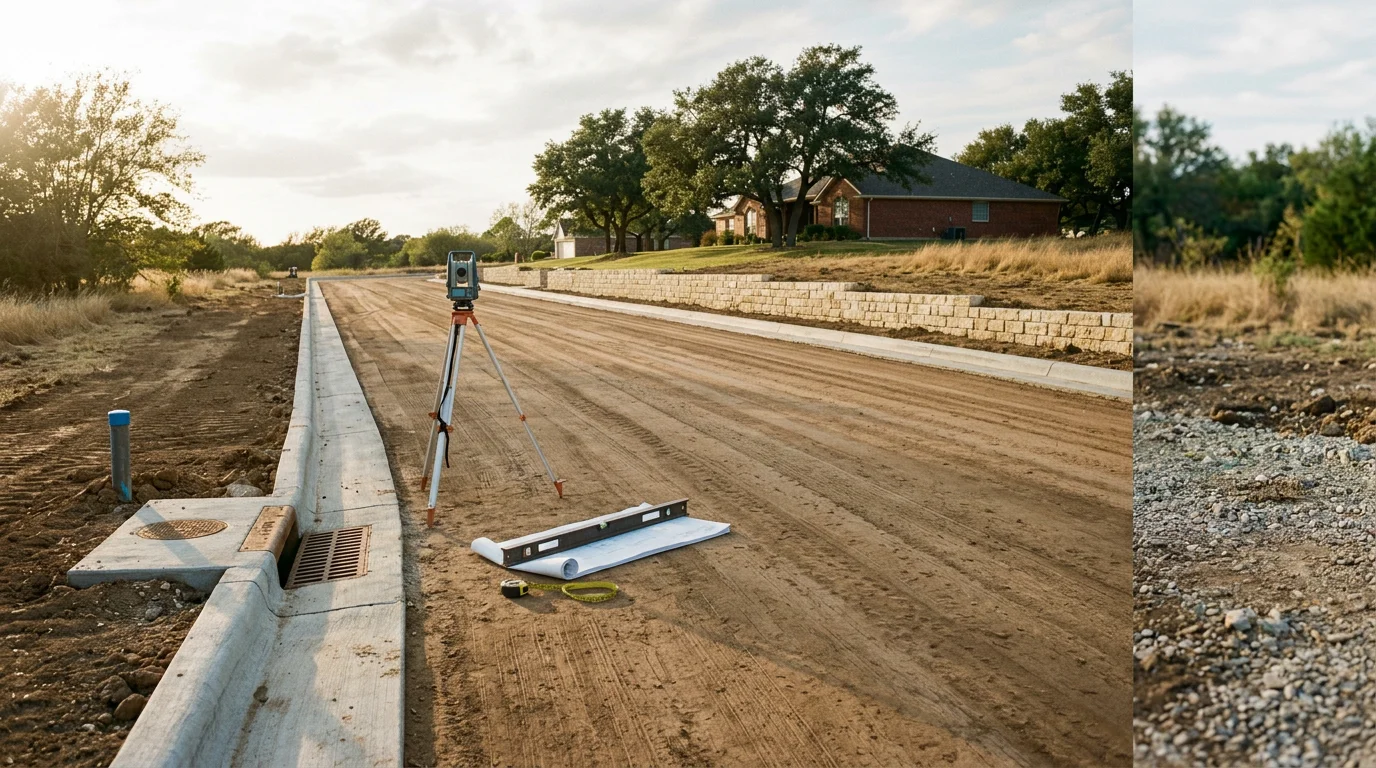
Foundation inspection and foundation certification reports are the most requested services in Dallas because lenders, buyers, and sellers all need a licensed engineer's signed opinion before a transaction can close. Structural framing design for residential houses is also in high demand as homeowners in mid-century neighborhoods like Lakewood and the M Streets add second stories or rear additions to pier-and-beam homes. Grading and drainage design addresses the pooling that accelerates clay movement on flat Dallas lots. Permit plans round out the scope for any structural work that requires city approval.

What Dallas, TX customers say.

Worked with us?

Leave a Review

Serving Dallas, TX

Free on-site estimate. No commitment required.

Our crew knows Dallas, TX. We will show up on time, assess the job honestly, and give you a clear written number before asking you to decide anything.

Call (601) 540-5109

Structural Engineer FAQ for Dallas, TX

Common questions from Dallas, TX customers about our services, process, and coverage.

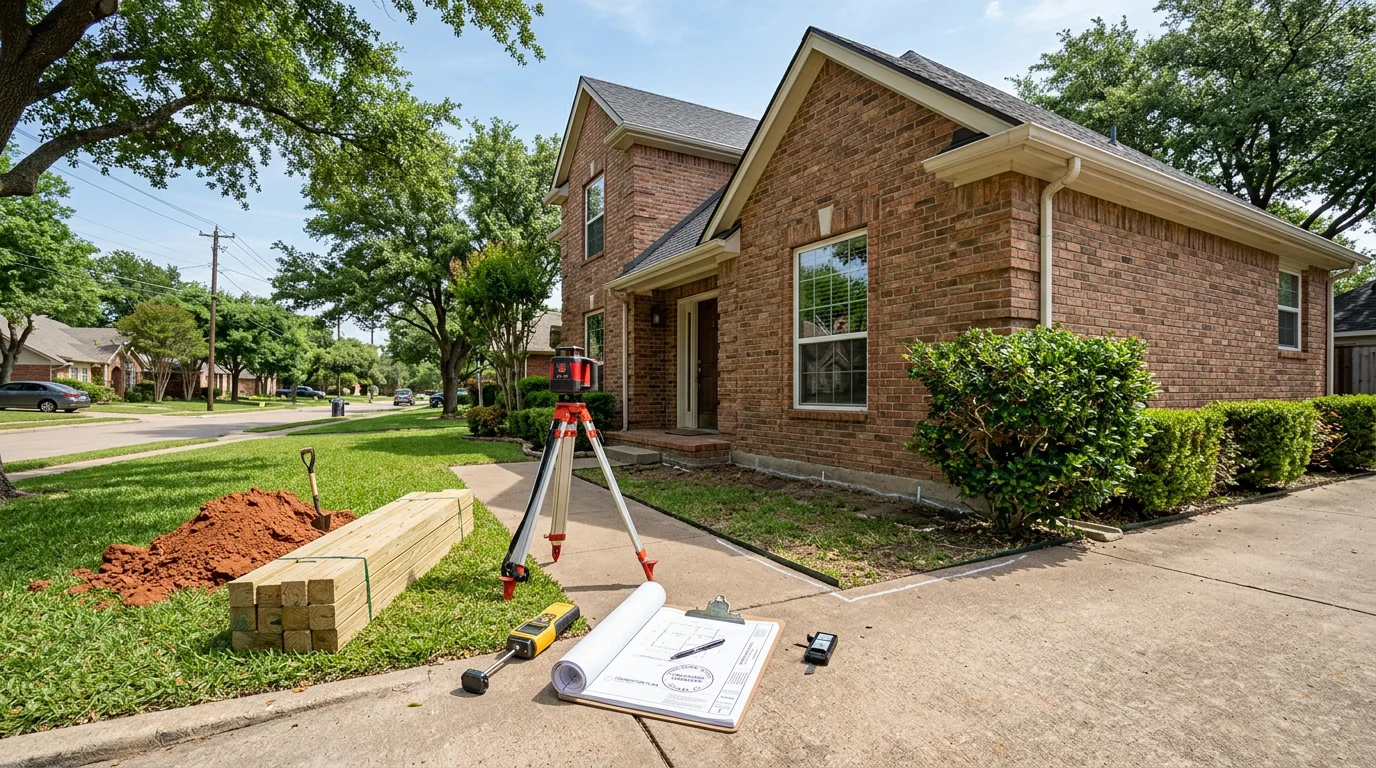
A structural engineering inspection for a Dallas property covers a physical walkthrough of the interior and exterior, elevation measurements at multiple points across the slab or pier-and-beam system, and an assessment of drainage and grading conditions around the foundation. The engineer documents visible distress such as wall cracks, sloped floors, and misaligned doors, then connects those observations to the likely cause. The finished product is a signed, sealed report with findings and recommendations that lenders, buyers, and sellers can use.

A standard home inspector in Texas is limited to a visual, observe-and-report scope and cannot determine the structural significance of what they see. A licensed professional engineer can measure actual foundation movement, identify whether clay soil, drainage, or another factor is the cause, and produce a signed report that carries legal and professional weight. Lenders financing properties in Dallas frequently require an engineer's report, not a home inspection report, before approving a loan on a home with visible foundation distress.

Dallas Blackland Prairie clay carries a very high plasticity index, which means it expands and contracts dramatically with moisture changes. New construction in the Dallas area typically requires either a post-tension slab with steel cables tensioned within the concrete or drilled piers that extend below the active clay zone to stable bearing soil. A foundation design from a licensed engineer specifies the system, depth, and reinforcement required for the specific soil conditions on that lot, which is what the city's building department reviews before issuing a permit.

East Dallas, Oak Lawn, Highland Park, Turtle Creek, and Preston Hollow sit on some of the heaviest clay concentrations in the metro, and homes built before the 1990s in those areas have typically experienced multiple cycles of foundation movement. Lake Highlands and Lakewood carry moderate risk with mostly 1980s to 2000s construction. Far North Dallas and the northern suburbs like Plano and Frisco have similar clay soils but benefit from more modern post-tension slab construction that resists movement better than older slab-on-grade systems.

Still have questions?

Call us directly. Real answers, no scripts.

Call (601) 540-5109

Proudly Based in Dallas, TX

Stop by, call, or book online — we're always nearby when you need us.

Hours

  • Monday 8:00 AM - 5:00 PM
  • Tuesday 8:00 AM - 5:00 PM
  • Wednesday 8:00 AM - 5:00 PM
  • Thursday 8:00 AM - 5:00 PM
  • Friday 8:00 AM - 5:00 PM

Schedule a Free Inspection